

A Functional Nutrition & Social Work Perspective
In today’s complex food environment, reading labels is no longer just a skill — it is a protective health behaviour. From a functional nutrition lens, labels help us identify ingredients that influence inflammation, blood sugar, gut health, and nutrient status. From a social work perspective, they are also tools of empowerment, equity, and informed consent in a system where marketing can easily overwhelm vulnerable consumers.
This blog explores the key Health Canada labelling rules and — most importantly — what to look for when supporting clients, families, or your own household in making nourishing choices.
Why Food Labels Matter More Than Ever
Yet knowing the rules is only half the story.
- Functional nutrition asks: How does this food affect the body?
- Social work asks: Who has access to healthy choices and clear information?
When we combine these lenses, label reading becomes a clinical and social justice skill.
The Three Mandatory Components to Always Check
- Nutrition Facts table
- List of ingredients
- Allergen and gluten information
Let’s break down what each means in practice.
1. Nutrition Facts Table: Look Beyond Calories
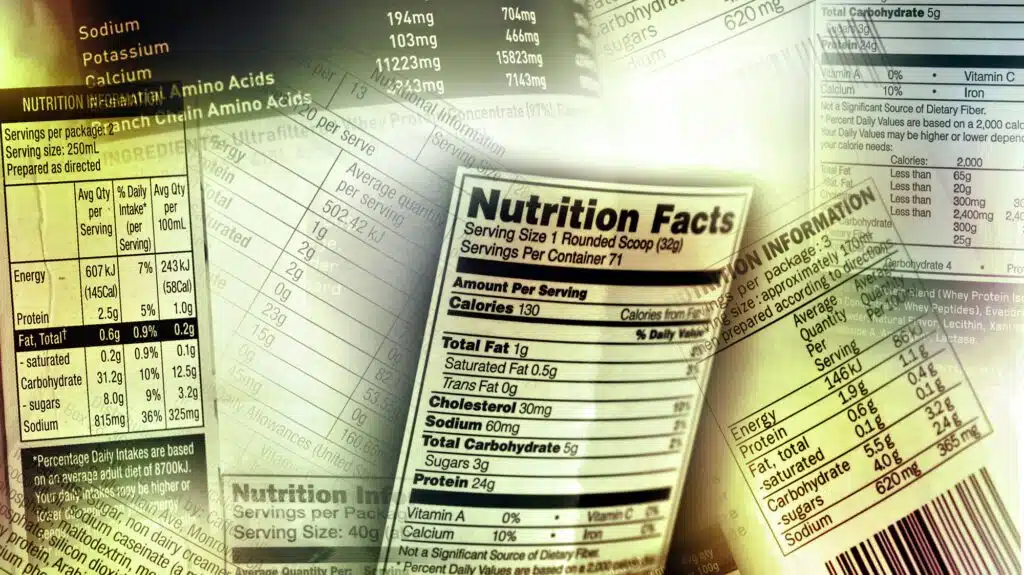
The Nutrition Facts table is standardized to allow comparison between products. It must show serving size, calories, nutrients, and % Daily Value (%DV).
Functional Nutrition Lens
Encourage clients to focus on:
✔ Serving size realism
- Is this what people actually eat?
- Many packages list unrealistically small servings.
✔ % Daily Value thresholds
- 5% DV or less = a little
- 15% DV or more = a lot
(Health Canada uses this general rule of thumb.)
✔ Key nutrients to monitor from a metabolic health perspective:
- Sodium
- Sugars
- Saturated fat
- Fibre
- Protein
Social Work Insight
- low literacy
- language barriers
- cognitive overload
- food insecurity
…may not interpret %DV correctly.
Practice tip: Teach the simple rule — “5 is low, 15 is high.”
2. The Ingredient List: Where Functional Nutrition Gets Real
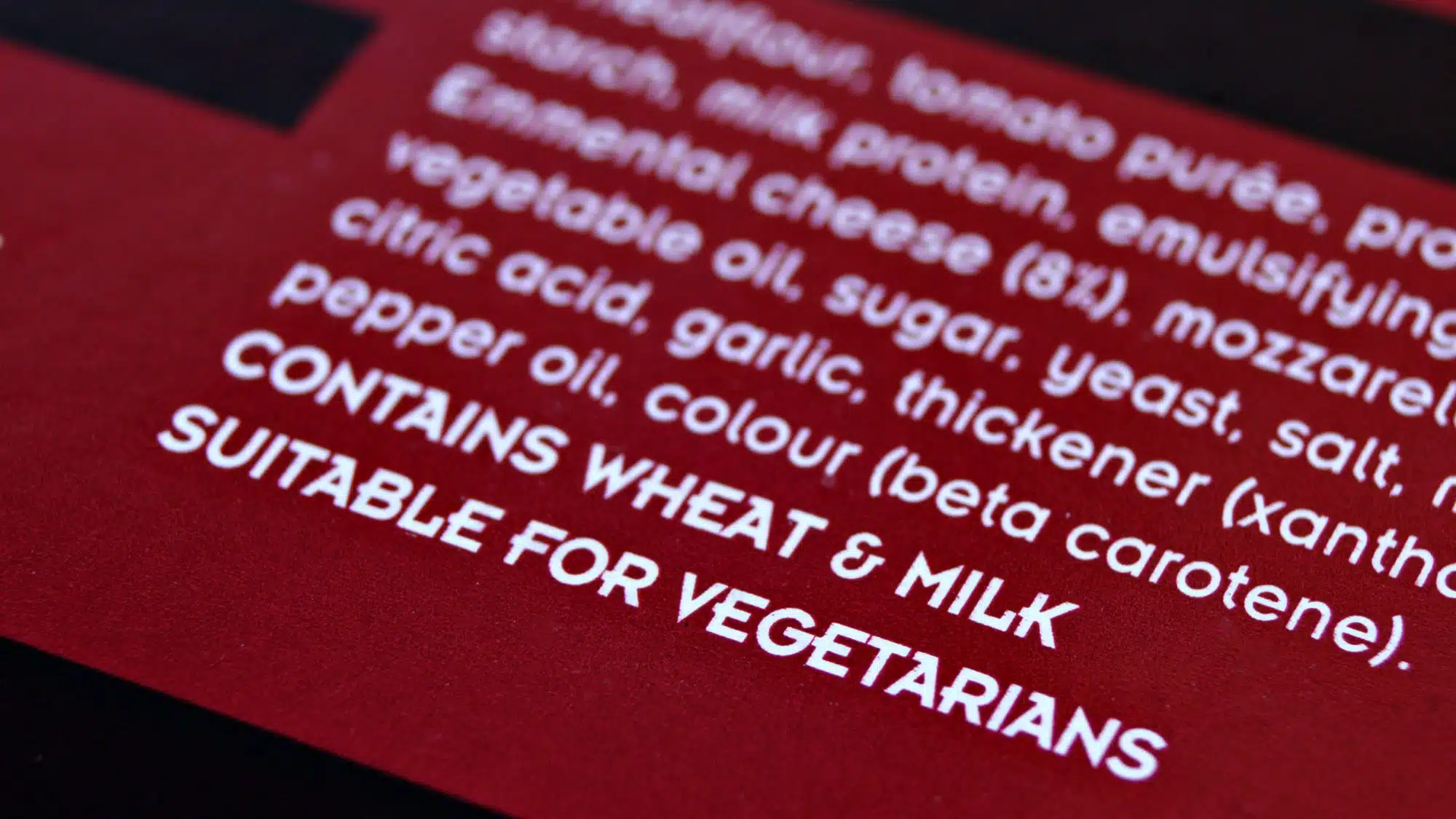
Ingredients must be listed in descending order by weight, meaning the first three ingredients usually dominate the product.
Functional Nutrition Red Flags
🚩 Added sugars (many names)Examples:
- glucose-fructose
- cane sugar
- maltose
- syrups
Health Canada notes that vague marketing claims can be misleading, so ingredient literacy is essential.
🚩 Highly refined seed oils (context dependent)
- soybean oil
- corn oil
- canola oil
🚩 Long ultra-processed listsFrom a functional lens, more processing often means:
- lower nutrient density
- higher glycemic impact
- more additives
Social Work Perspective
- education gaps
- newcomer status
- marketing confusion
- time poverty
Trauma-informed approach: Avoid shame when reviewing labels with clients.
3. Allergen and Gluten Declarations
Health Canada requires priority allergens, added sulphites, and gluten sources to be clearly identified when present.
Functional Nutrition Use
Critical for clients with:
- celiac disease
- food sensitivities
- autoimmune conditions
- mast cell activation
Social Work Considerations
- children in school systems and the impact on cognitive function
- families with limited food budgets attempts to eat healthy may be difficult
- newcomers unfamiliar with Canadian labelling- how do we educate ourselves
Label coaching can be life-saving.
The New Front-of-Package Warning Symbol (Big Change) as of Jan 1 2026
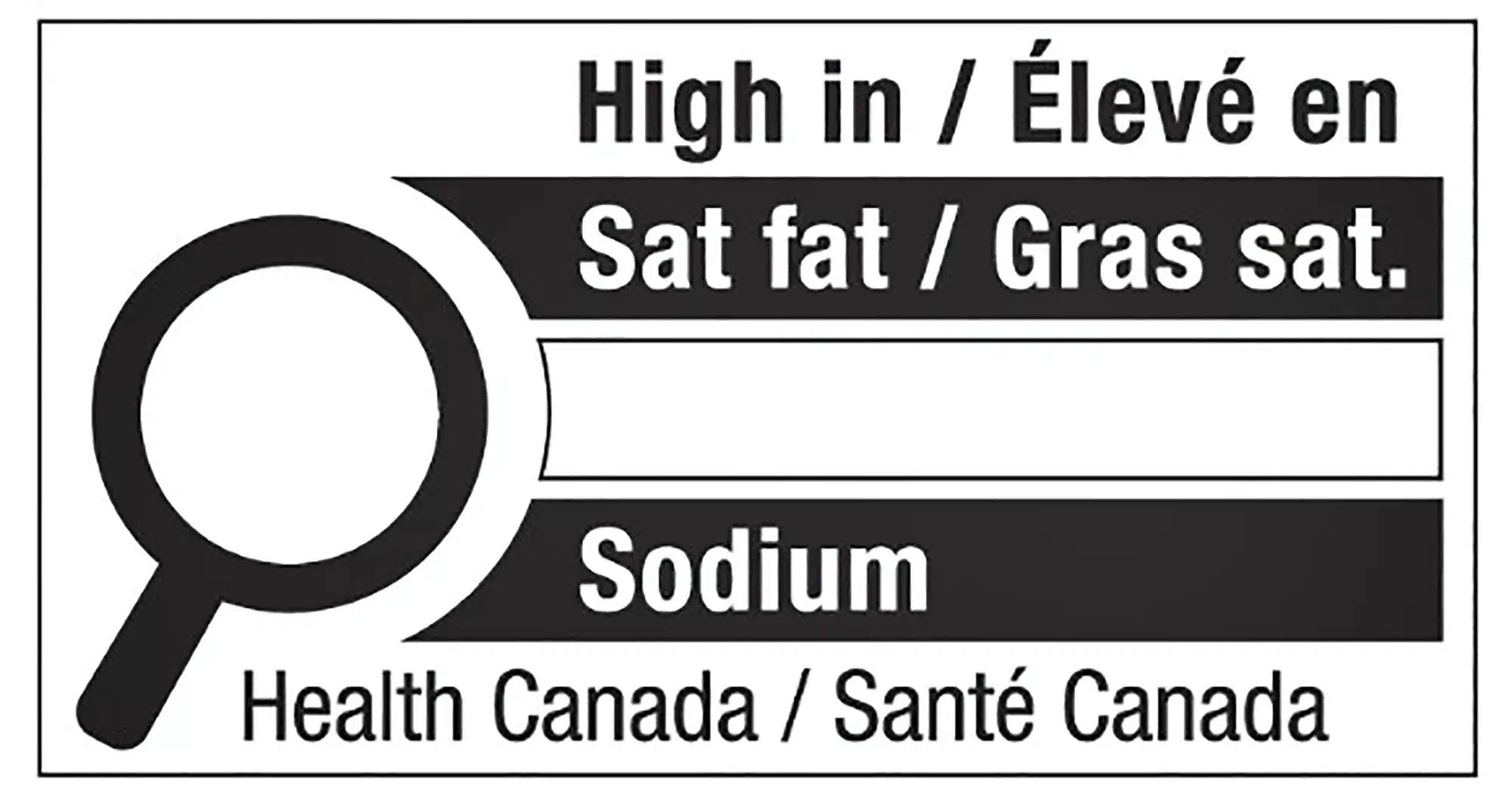
One of the most important recent updates is the mandatory front-of-package (FOP) symbol.
What it Means
- saturated fat
- sugars
- sodium
must display a black-and-white warning symbol on the front.
Companies have had until January 1, 2026 to fully comply.
Functional Nutrition Interpretation
It can help quickly identify foods that may contribute to if you pay attention and know what you are looking for:
- insulin resistance
- hypertension
- cardiovascular risk
- systemic inflammation
But context matters.
Important Nuance
Some nutrient-dense foods may still be high in one nutrient (for example, certain cheeses) and may be exempt or contextually appropriate.
Functional nutrition always asks:
“What is the whole-food matrix and frequency of intake? Warning now supplied on the front of the package”
Nutrition and Health Claims: Read With Caution
Labels may include claims like:
- “low sodium”
- “high in fibre”
- “supports immunity”
Some claims require scientific evidence and regulatory approval, while others can be misleading marketing language. Which are they and how do you navigate through the label?
Functional Nutrition Reality Check
What to know:
A single positive claim does not equal a healthy food.
Example patterns to watch:
- “High protein” but very high sugar- high protein might appear bolder and high sugar might be in the fine print
- “Gluten-free” can be ultra-processed foods?
- “Natural” with long additive lists means what?
Social Work Insight
- time-stressed parents
- older adults
- low-health-literacy populations
- people managing chronic illness
Critical thinking skills are a form of health empowerment.
Special Note: Natural Health Products vs Foods
Some products carry a Natural Product Number (NPN) or DIN-HM, indicating they are regulated differently from foods.
Functional Nutrition Implication
If a product looks like food but has an NPN:
- dosing may matter
- therapeutic claims may exist
- interactions may be possible
Social Work Implication
- supplements
- functional foods
- fortified foods
Clear education prevents misuse.
Practical Label Reading Framework (Client-Friendly)
Teach this simple 5-step scan:
Step 1: Front symbol
→ Any “high in” warning?
Step 2: Serving size
→ Realistic or misleading?
Step 3: % Daily Value
→ Look for the 5/15 rule.
Step 4: First 3 ingredients
→ Whole foods or refined inputs?
Step 5: Claims vs reality
→ Does the Nutrition Facts table support the marketing?
Equity and Access: The Social Work Call to Action
Even perfect labels cannot fix structural barriers such as:
- food deserts
- income insecurity
- cultural food mismatch
- time scarcity
- intergenerational nutrition trauma
As helping professionals, our role is not just to teach label reading — but to:
- reduce shame
- build skills gradually
- honour cultural foods
- advocate for food access
- support nervous-system safety around food
Final Thoughts
Health Canada’s labelling rules provide powerful tools — but tools only work when people know how to use them. Educate yourself.
From a functional nutrition perspective, labels help us identify metabolic stressors and nutrient density. From a social work perspective, they are instruments of health literacy, autonomy, and equity.
When we teach label reading with compassion and context, we move beyond policing food choices and toward informed, empowered nourishment.
Reflective Question
or have they become another source of confusion and stress?