


A Functional Nutrition & Social Work Perspective
Have you ever reacted instantly to something—your heart racing, your thoughts spiraling—before you had time to “think it through”? That moment is a perfect example of the dynamic relationship between the amygdala and your higher thinking brain. From a functional nutrition and social work perspective, understanding this partnership is essential for supporting emotional regulation, trauma healing, and whole-person wellness.
The truth is, your emotional brain and thinking brain are not in competition—they are in constant conversation. When we nourish the body, regulate the nervous system, and create safe relational environments, we strengthen this communication. Let’s explore how it works and how we can support it.
The Amygdala: Your Brain’s Rapid Response System
From an evolutionary standpoint, the amygdala’s speed is protective. It can trigger stress hormones in milliseconds—often before the thinking brain (the prefrontal cortex) has fully assessed the situation.
Key functions of the amygdala include:
- Detecting danger and emotional salience
- Activating stress responses
- Encoding emotional memories
- Prioritizing survival over logic
In social work practice, we often see what happens when the amygdala becomes sensitized—especially in individuals with trauma histories. The nervous system may perceive danger even in objectively safe environments. This is not a character flaw; it is a nervous system adaptation.
The Thinking Brain: The Prefrontal Cortex at Work
The prefrontal cortex (PFC), located behind the forehead, is responsible for executive functioning and reflective thought. This is the part of the brain that helps you:
- Pause before reacting
- Weigh consequences
- Regulate emotions
- Engage in empathy
- Make values-based decisions
When the PFC is online and well-supported, we can respond thoughtfully rather than react impulsively. However, under high stress, the amygdala can temporarily override the PFC—a process sometimes called “amygdala hijack.”
From a social work lens, this is critical. Many behaviors that appear irrational, oppositional, or emotionally intense are actually nervous system responses where the thinking brain has gone offline.
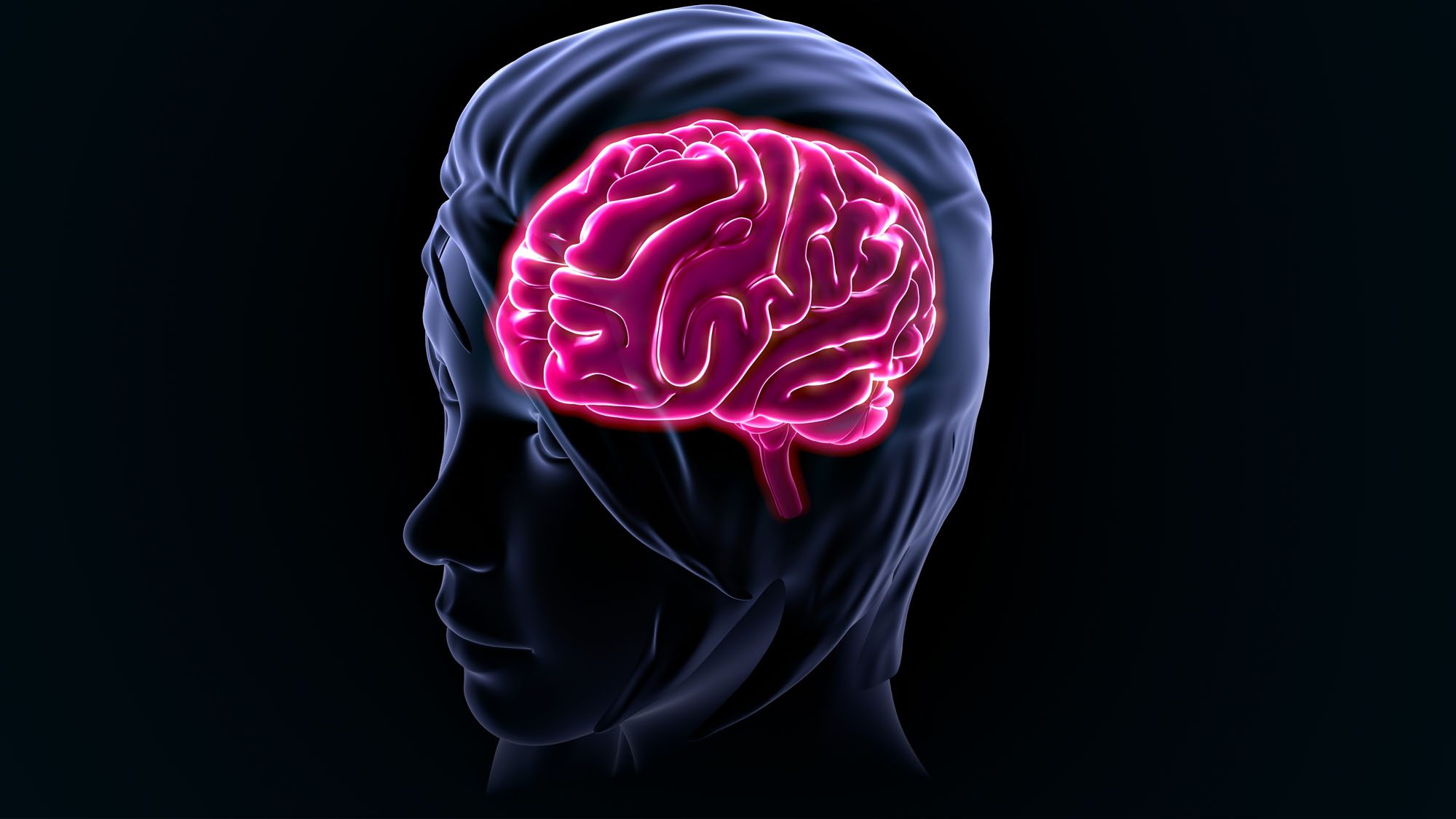
How the Amygdala and Thinking Brain Communicate
The relationship between the amygdala and prefrontal cortex is bidirectional. They constantly send signals back and forth.
In a regulated state:
- The amygdala scans the environment.
- It sends information to the prefrontal cortex.
- The PFC evaluates: Is this truly dangerous?
- If safe, the PFC sends calming signals back to the amygdala.
This loop allows for emotional regulation and thoughtful response.
In a dysregulated state (common with chronic stress, trauma, blood sugar instability, or inflammation):
- The amygdala detects threat quickly.
- Stress hormones surge.
- The prefrontal cortex activity decreases.
- Reactive behavior increases.
Functional nutrition and trauma-informed social work both aim to restore balance in this loop.
The Functional Nutrition Connection
What we eat profoundly affects how well the amygdala and prefrontal cortex communicate. The brain is metabolically demanding, and emotional regulation is biologically expensive.

1. Blood Sugar Stability
Blood sugar swings are one of the most overlooked drivers of emotional reactivity.
When blood sugar drops:
- The brain perceives threat
- Cortisol and adrenaline rise
- Irritability and anxiety increase
- The amygdala becomes more reactive
Clients may describe this as feeling “hangry,” overwhelmed, or emotionally fragile.
Support strategies:
- Protein-rich meals every 3–4 hours
- Pairing carbohydrates with fats/protein
- Avoiding excessive refined sugars
- Eating within an hour of waking
Stable glucose helps keep the thinking brain online.
2. Inflammation and Brain Function
Chronic inflammation can heighten amygdala reactivity and impair prefrontal cortex functioning. Research shows that inflammatory cytokines can influence mood, anxiety, and cognitive clarity.
Common contributors include:
- Ultra-processed foods
- Excess omega-6 oils
- Gut dysbiosis
- Chronic stress
- Poor sleep
Anti-inflammatory supports:
- Omega-3 fatty acids (fatty fish, flax, chia)
- Colorful plant foods (polyphenols)
- Adequate hydration
- Gut-supportive foods (fermented foods, fiber)
From a functional lens, calming the body helps calm the emotional brain.
3. Micronutrients for Emotional Regulation
The prefrontal cortex requires key nutrients to function optimally. Deficiencies can impair focus, impulse control, and mood stability.
Key nutrients include:
- Magnesium (nervous system calming)
- B vitamins (neurotransmitter production)
- Zinc (stress resilience)
- Iron (oxygen delivery to the brain)
- Protein (amino acids for neurotransmitters)
In social work settings, nutritional screening can be a powerful yet underused tool for supporting mental health.
The Social Work Perspective: Safety Before Strategy
From a trauma-informed social work perspective, the nervous system must feel safe before the thinking brain can fully engage. This is often summarized as:
Connection before correction.
When individuals are in survival mode, cognitive interventions alone may not be effective because the prefrontal cortex is not fully accessible.
Co-Regulation Matters
For individuals with trauma histories, the amygdala often becomes hypervigilant. Triggers may include:
- Sudden noises
- Conflict
- Uncertainty
- Perceived rejection
- Loss of control
Social workers understand that behaviors such as shutdown, anger, avoidance, or emotional flooding are often adaptive survival responses.
Healing involves:
- Expanding the window of tolerance
- Building body awareness
- Supporting nervous system regulation
- Addressing physiological contributors (nutrition, sleep, stress load)
Trauma and Amygdala Sensitization
- “reset your nervous system in 7 days”
- “heal your gut to cure anxiety”
- “one supplement to fix burnout”
Why this is problematic?
From a clinical standpoint, these claims can:
- create false hope
- delay appropriate care
- increase self-blame when results don’t occur
- oversimplify complex biopsychosocial conditions
Social work insight: Many vulnerable clients are especially drawn to certainty during periods of distress.
Practical Strategies to Support Amygdala–Thinking Brain Balance
Here are integrative tools that combine functional nutrition and social work principles.

Daily Nervous System Supports
- Slow, diaphragmatic breathing
- Gentle movement (walking, yoga, stretching)
- Time in nature
- Consistent sleep schedule
- Mindful pauses before responding
These practices strengthen prefrontal regulation over time.
Nutrition Foundations
- Eat balanced meals regularly
- Prioritize protein at breakfast
- Include healthy fats at each meal
- Stay hydrated
- Limit excessive caffeine if anxiety-prone
Small nutritional shifts can produce meaningful emotional changes.
Relational Safety Practices
- Seek supportive relationships
- Practice naming emotions
- Use grounding during stress
- Engage in trauma-informed therapy when needed
From a social work lens, healing rarely happens in isolation.
The Bottom Line
The amygdala and thinking brain are partners in your survival and growth. When the body is undernourished, inflamed, sleep-deprived, or chronically stressed, the amygdala becomes louder and the thinking brain quieter. But when we support the whole person—biologically, emotionally, and relationally—the communication between these systems strengthens.
Functional nutrition reminds us that the brain is embodied. Social work reminds us that the nervous system is relational. Together, they offer a powerful, compassionate framework for understanding human behaviour and promoting healing.
The next time you notice yourself—or someone you support—reacting quickly, pause and consider: this may not be a thinking problem. It may be a nervous system asking for safety, nourishment, and support.
Thought-Provoking Question
If your emotional reactions were not problems to fix but signals from a body and nervous system needing support, how might you begin responding to yourself—or those you serve—differently?