


Trust is often spoken about as something we have or don’t have in a relationship. But from a holistic healing perspective, trust is not a static state—it is a living practice. It is shaped by our nervous systems, our past experiences, our attachment patterns, and the stories we carry about safety, love, and abandonment. Trust lives not only in the mind, but also in the body, emotions, and spirit.
When trust is present, relationships become spaces of restoration. When trust is fractured, relationships can activate fear, hypervigilance, and emotional pain that often has roots far deeper than the present moment.
The Roots of Trust Go Beyond the Relationship
Many people assume that trust issues stem solely from betrayal or dishonesty within a current partnership. While those experiences absolutely matter, holistic healing asks us to look wider. Trust is first learned in early relationships—how caregivers responded to our needs, whether we felt emotionally seen, and whether consistency was present.
If trust was inconsistent or unsafe early in life, the nervous system may learn to stay alert rather than relaxed. This can show up in adulthood as difficulty relying on others, fear of vulnerability, emotional withdrawal, or anxiety about being abandoned. These reactions are not character flaws; they are survival strategies that once served a purpose.
Healing trust, therefore, is not about forcing oneself to “just trust more.” It is about gently teaching the body and mind that safety can exist now.
Trust and the Nervous System
From a holistic standpoint, trust is deeply connected to nervous system regulation. When we feel safe, the body shifts into a parasympathetic state—allowing for openness, connection, and emotional intimacy. When we don’t feel safe, the body moves into fight, flight, freeze, or fawn responses.
In relationships where trust has been broken—or never fully formed—people may find themselves reacting automatically: checking phones, needing constant reassurance, shutting down emotionally, or avoiding difficult conversations altogether. These responses are often misunderstood as “drama” or “neediness,” when in reality they are signals of a nervous system seeking stability.
Healing trust means learning how to soothe the nervous system so that connection does not feel threatening.
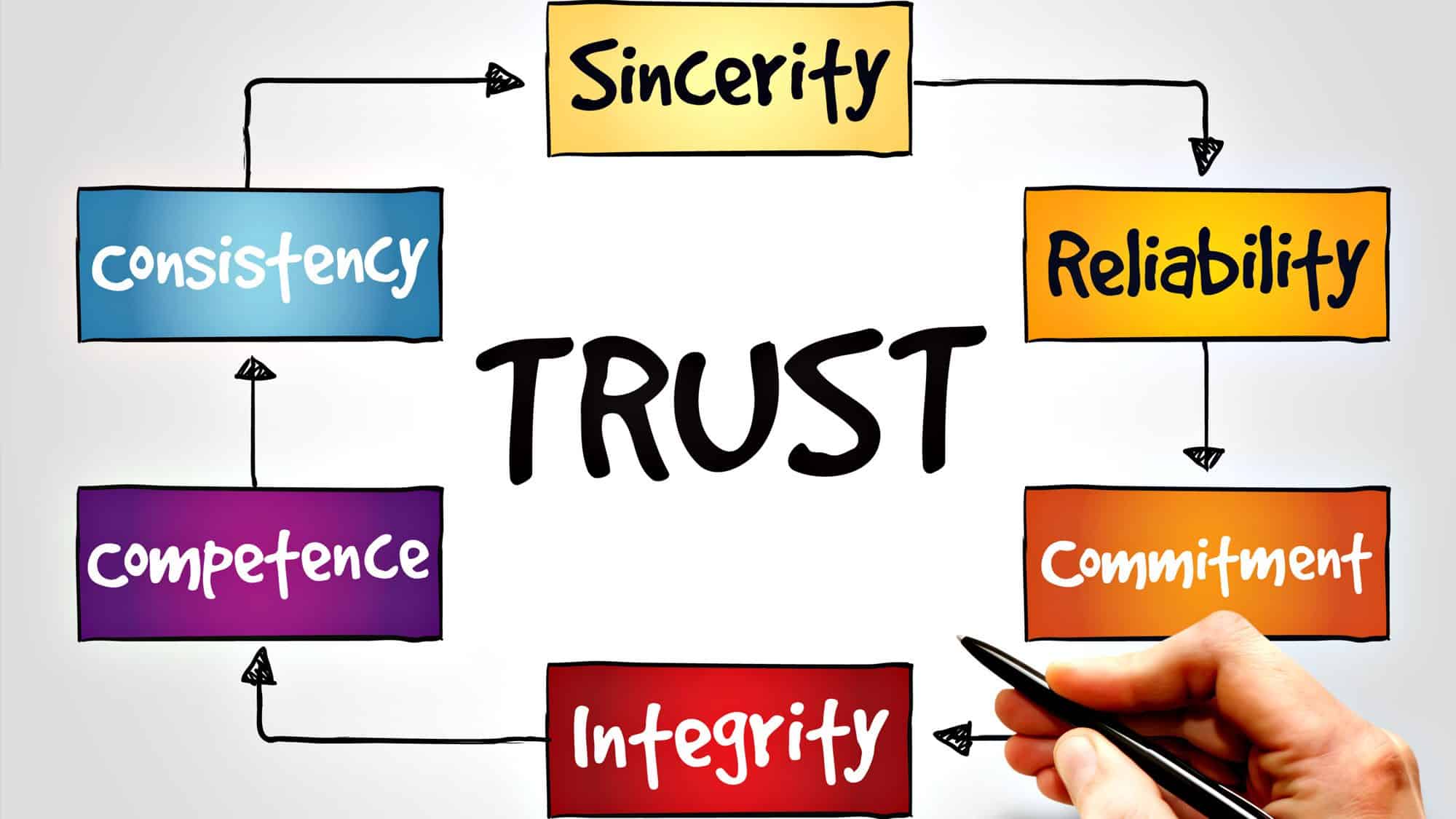
Trust Is Built Through Presence, Not Perfection
Trust is strengthened when:
- Words align with actions
- Emotions are acknowledged rather than dismissed
- Boundaries are respected
- Repair happens after harm
From a healing lens, trust is less about certainty and more about reliability—knowing that even when things are hard, both people are willing to show up with honesty and care.
Self-Trust as the Foundation
Self-trust involves:
- Honouring your feelings without self-judgment
- Listening to bodily cues of comfort or discomfort
- Allowing yourself to set boundaries without guilt
- Believing that you can care for yourself even if others disappoint you
When self-trust grows, relational trust becomes less about control and more about choice. You trust not because you guarantee an outcome, but because you trust yourself to respond with integrity and care no matter what unfolds.
When Trust Has Been Broken
Betrayal—whether emotional, physical, or relational—can deeply impact mental and emotional well-being. Holistic healing recognizes that betrayal is not just a relational injury; it is a trauma to the nervous system.
Healing after broken trust takes time. It requires space for grief, anger, and confusion. Rushing forgiveness or minimizing pain often leads to unresolved wounds resurfacing later. True healing honors the pace of the nervous system and the reality of emotional processing.
Rebuilding trust may include:
- Clear communication and transparency
- Consistent behavior over time
- Emotional attunement and empathy
- External support, such as therapy

Therapy as a Tool for Trust and Mental Health
Modalities such as trauma-informed therapy, somatic therapy, emotionally focused therapy (EFT), and attachment-based counseling can help individuals and couples:
- Understand how past experiences influence present relationships
- Learn nervous system regulation skills
- Practice healthy communication and repair
- Develop emotional safety and resilience
Therapy offers a grounded space where trust can be explored without judgment, and where mental health is supported with intention and compassion.
Trust as an Ongoing Journey
Trust is not something we achieve once and never revisit. It evolves as we evolve. Relationships shift, life changes, and healing deepens. Approaching trust as a journey rather than a destination allows room for growth, curiosity, and grace.
From a holistic healing lens, trust is less about certainty and more about connection—to yourself, to others, and to your capacity to heal.
As you reflect on your own relationships, consider this:
What might change if trust were not something you demanded or feared losing—but something you consciously practiced, supported by self-awareness, nervous system care, and the willingness to seek guidance when needed?
References
- Bowlby, J. (1988). A Secure Base: Parent-Child Attachment and Healthy Human Development. Basic Books.
- Levine, P. A. (2010). In an Unspoken Voice: How the Body Releases Trauma and Restores Goodness. North Atlantic Books.
- Johnson, S. M. (2019). Attachment Theory in Practice: Emotionally Focused Therapy (EFT) with Individuals, Couples, and Families. Guilford Press.
- Van der Kolk, B. (2014). The Body Keeps the Score: Brain, Mind, and Body in the Healing of Trauma. Viking.
- American Psychological Association. (2023). Understanding psychotherapy and mental health treatment.