

What It Means for Health, Aging, and the Nervous System
As a Functional Nutritionist, my role is not to label foods or technologies as “good” or “bad,” but to ask better questions. How does this affect the body as a system? What are the long-term implications for metabolic health, inflammation, and the nervous system? And how does this intersect with aging, mental well-being, and our relationship with food?
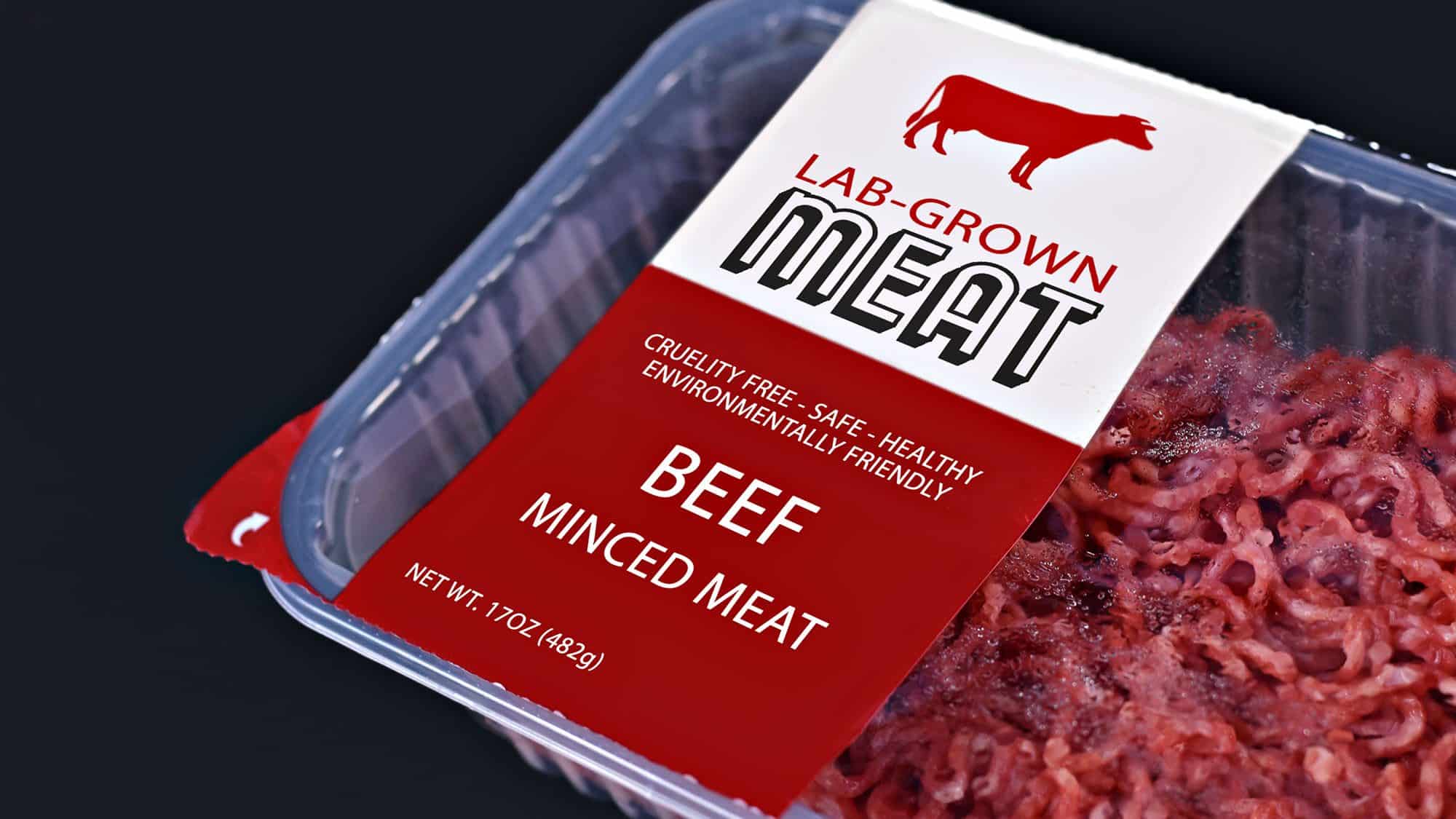
Cloned meat—more accurately referred to as cultivated or lab-grown meat—is produced by growing animal muscle cells in a controlled environment rather than raising and slaughtering animals. It is often presented as a solution to environmental strain, food insecurity, and ethical concerns. From a functional nutrition perspective, however, the conversation must go deeper than sustainability headlines. We must explore how this novel food interacts with human biology over time.
Food as Information, Not Just Calories
Functional nutrition views food as biological information. Every food we consume sends signals that influence gene expression, inflammation, gut health, hormone balance, and neurotransmitter activity. Traditional whole foods—meat included—are complex matrices of nutrients, enzymes, fatty acids, and micronutrients shaped by nature.
Cloned meat, while designed to replicate the protein structure of conventional meat, does not yet replicate the full nutritional complexity. While it may contain comparable amounts of protein, iron, or certain fats, the context in which those nutrients exist matters. The absence of connective tissue, variable fatty acid profiles, and naturally occurring cofactors raises important questions about how the body metabolizes and responds to these foods long term.
Protein Quality and Metabolic Health
Protein is essential for muscle maintenance, immune function, and blood sugar stability—particularly as we age. Sarcopenia, or age-related muscle loss, is a major concern in functional and preventative nutrition. Adequate protein intake supports strength, mobility, and metabolic resilience.
Cultivated meat may provide sufficient amino acids, but early research suggests variability in protein structure depending on growth conditions. From a functional standpoint, digestibility and amino acid signaling are just as important as protein quantity. How these proteins stimulate muscle protein synthesis, insulin signaling, and satiety hormones over decades of consumption is still largely unknown.
For aging populations, this uncertainty matters. Nutritional strategies that support longevity prioritize predictability, nutrient density, and minimal inflammatory burden.
Inflammation, the Gut, and Novel Foods
The gut is a central player in functional nutrition. It regulates immune response, nutrient absorption, and even mood through the gut-brain axis. Introducing novel foods at scale raises questions about how the microbiome adapts.
Cloned meat is grown using growth media and controlled environments that differ significantly from natural food systems. While regulatory bodies evaluate safety, functional nutrition looks beyond acute toxicity and asks how repeated exposure influences low-grade inflammation, gut permeability, and immune signaling over time.
Chronic, low-level inflammation is a key driver of accelerated aging, cognitive decline, and anxiety-related disorders. Foods that disrupt gut integrity or immune balance—even subtly—can contribute to this process.

Aging, Food Technology, and Resilience
Aging is not merely the passage of time; it is the cumulative effect of metabolic stress, oxidative damage, and inflammatory load. Nutrition plays a central role in either accelerating or slowing this trajectory.
From an aging perspective, the question is not whether cloned meat can “feed the world,” but whether it supports physiological resilience over decades. Does it nourish mitochondrial health? Does it support muscle, bone, and brain integrity? Or does it introduce new stressors that the aging body must compensate for?
Functional nutrition prioritizes foods that reduce the body’s workload—those that are easily recognized, digested, and utilized. Until more long-term human data is available, cultivated meat remains a nutritional variable rather than a known ally in healthy aging.
The Nervous System, Anxiety, and Food Uncertainty
Food choices are not only biochemical — they are psychological. The nervous system responds to uncertainty, novelty, and perceived threat. For individuals already experiencing anxiety, highly processed or unfamiliar foods can increase cognitive and physiological stress.
Blood sugar instability, inflammatory signalling, and gut-brain disruption are all known contributors to anxiety symptoms. As a Functional Nutritionist, I often see anxiety improve when clients return to predictable, nutrient-dense, whole-food patterns that support nervous system regulation.
This does not mean fear-based avoidance of new technologies, but it does mean honoring the body’s need for safety and familiarity — especially during times of emotional vulnerability or heightened stress.
Ethical and Environmental Context—Without Ignoring Biology
It is important to acknowledge that cultivated meat arises from genuine concerns about environmental sustainability and animal welfare. These values matter. Functional nutrition, however, insists that human physiology must remain central to the conversation.
A solution that benefits the planet but compromises long-term metabolic or mental health is not a complete solution. The most sustainable approach to aging and health is one that aligns environmental responsibility with biological compatibility.

A Functional Nutrition Perspective Moving Forward
Cloned meat represents an evolving food technology, not a settled nutritional truth. From a functional standpoint, caution is not resistance—it is wisdom. The body thrives on inputs it recognizes and has co-evolved with.
As research develops, cultivated meat may find a role within the broader food system. For now, functional nutrition continues to emphasize whole, minimally processed foods, diverse protein sources, gut-supportive fibers, and dietary patterns that reduce inflammatory and nervous system burden—especially as we age.
Support Beyond the Plate
If you are navigating anxiety, food-related stress, or uncertainty around dietary choices, it is important to remember that nutrition does not exist in isolation. Anxiety is influenced by blood sugar balance, micronutrient status, gut health, stress load, and life context.
Working with a Functional Nutritionist can help you understand how food, physiology, and emotional health intersect—and how to create a plan that supports both mental calm and long-term resilience. Booking an appointment can be a meaningful first step toward addressing anxiety from a root-cause, whole-body perspective.
Reflective Question
As we think about aging well in a rapidly changing food landscape, how can we choose foods that support both our long-term health and our nervous system’s need for safety and balance?
References
- Lynch, J., et al. (2019). Sustainability and nutritional considerations of cultured meat. Nature Food, 1, 31–35.
- Post, M. J. (2012). Cultured meat from stem cells: Challenges and prospects. Meat Science, 92(3), 297–301.
- Calder, P. C. (2015). Inflammation and chronic disease. Nutrients, 7(3), 234–253.
- Cryan, J. F., & Dinan, T. G. (2012). Mind-altering microorganisms: The impact of the gut microbiota on brain and behaviour. Nature Reviews Neuroscience, 13, 701–712.
- Wolfe, R. R. (2012). The role of dietary protein in optimizing muscle mass, function and health outcomes in older individuals. British Journal of Nutrition, 108(S2), S88–S93.